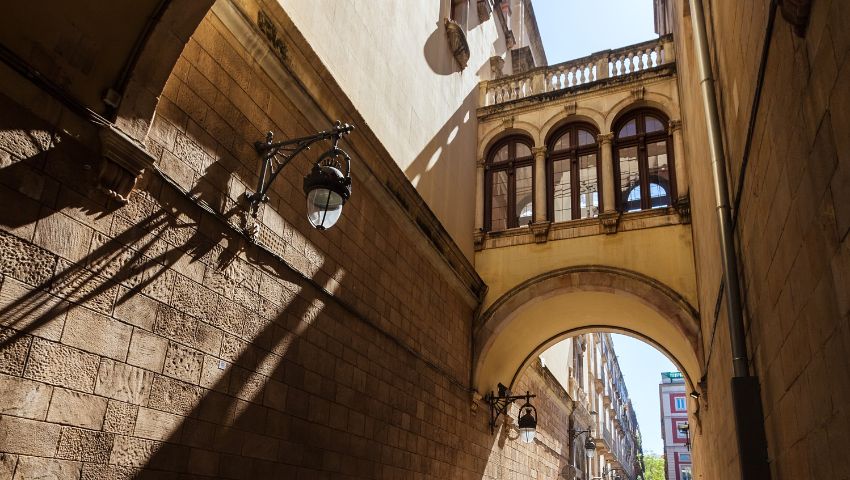
Southern Europe: architecture and landscape
Cross the cities of Southern Europe it's like traveling through time. Here the buildings are not just constructions: they are witnesses of history and culture, perfectly integrated into the Mediterranean landscape. From the alleys of Italian cities to the Spanish squares, colors, shapes and materials tell of centuries-old traditions that dialogue with the surrounding nature.
The story that can be read in the bricks
Every stone, each facade brings with it a story. The architecture of Southern Europe has its roots in ancient Rome, In the Renaissance and in the Baroque, to the point of touching the contemporary. Archi, Internal courtyards and facades in warm tones are not just aesthetics: they represent intelligent solutions for the climate and daily life. Homes often include interior gardens and shaded terraces, demonstrating how man has been able to harmonize with the landscape.
City and landscape in balance
The hill, the sea and cultivated fields have shaped Mediterranean cities. Streets and squares follow the curves of the terrain, and even the houses bend to the sun and the slopes. In recent years, the attention to sustainability has led to projects that combine tradition and innovation, with local materials and environmentally friendly techniques. Thus cities become more livable and harmonious, where even those who live there today feel the connection with those who built them centuries ago.
Tradition and sustainable innovation
Today sustainability means designing with the future in mind without forgetting the past. From the recovery of historic centers to low-energy buildings, a balance is sought between innovation and memory. Eco-friendly materials, green technologies and systems to save water and energy protect the landscape and make cities more resilient. And especially, these choices show that it is possible to live well while respecting the environment and enhancing the built heritage.
The challenges of the present
There is no shortage of difficulties: urban expansion, mass tourism and abandonment of historic centers put pressure on the balance between man and nature. The biggest challenge is to grow without distorting the territory, preserving the beauty of the Mediterranean landscapes and the culture that shaped them. A conscious approach is needed, that considers every urban planning choice as a gesture of care for the city and for those who will live there tomorrow.
The new models inspired by research
Science confirms that nature and cities can coexist harmoniously. Recent studies on Mediterranean cities show how the inclusion of green spaces and landscape strategies can promote biodiversity, improve the quality of life and make historic centers more resilient. These examples are a concrete guide for designing cities that respect memory, enhance the territory and offer well-being to those who live there.
Harmony between man, architecture and landscape
The architecture of Southern Europe it's more than a style: it is a living dialogue between man and nature. Understanding it means appreciating history, landscape and sustainability, and imagine more beautiful cities, functional and environmentally friendly. It also means taking care of the territory, protect the memory of places and plan a future in which living well is a right, not a luxury.
To learn more about how to design resilient and sustainable cities, with innovative strategies for water management and the protection of urban heritage, you can read “Water management and resilient architecture: the future of sustainable cities“.
Dates and times
Latest articles
- Non-residential real estate: market beyond 20 billion in 2025
- Non-residential construction: authorized surfaces a +12,5% In the 2026
- Engineering and architecture competitions: +67,1% In the 2026
- Data centers and buildings: the new digital infrastructure market in Europe
- Experiential showrooms: how design and furnishing spaces are changing