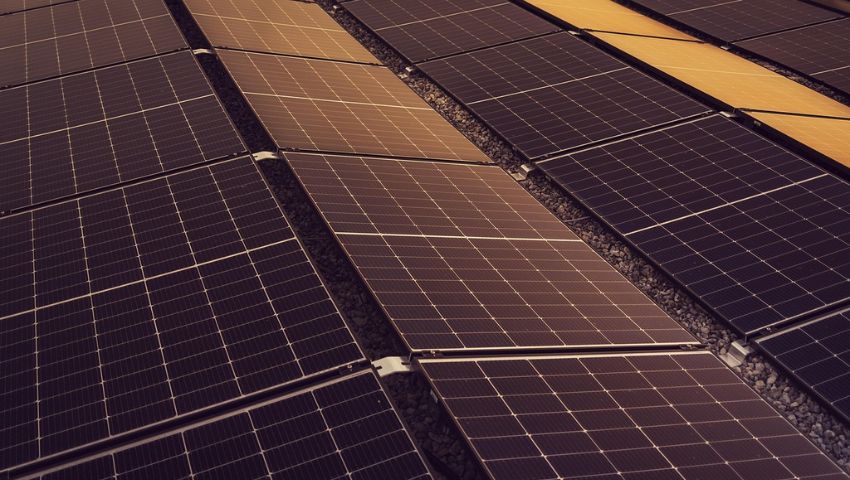
Solar energy integrated into architecture: aesthetic solutions
Today thesolar energy it is no longer just a technical or functional question. More and more architects and designers consider it an integral part of the building, an element that can make spaces more harmonious and pleasant to live in. Panels are no longer simply tools to place on the roof: if integrated carefully, they can become a design detail, fitting into facades, roofs or pergolas without distorting the overall aesthetics.
Solar panels: design and functionality together
I photovoltaic panels of the new generation are no longer bulky nor limited to sloped roofs. There are subtle models, colored or semi-transparent that adapt to different surfaces, becoming almost an architectural detail. A building with integrated panels on the facade or in the shelters it can appear modern and harmonious, while it produces clean energy. The idea is that the solar becomes part of the image of the building, an element that enriches the architectural design instead of “burdening it”.
Visible sustainability and enhancement of the building
Integrating solar energy also means communicating attention to the environment. A photovoltaic facade, a roof with solar panels carefully positioned or a solar shelter not only produce energy, but they become a distinctive sign. They show those who look at the building that sustainability and aesthetics can go hand in hand. Today, architectural design aims to make sustainability visible, enhancing spaces without sacrificing aesthetic quality.
Innovative materials and creative solutions
In recent years, materials have arrived that make the integration of solar much simpler and more harmonious. Photovoltaic glass, solar tiles and panels inserted into parapets or balconies allow the use of surfaces that previously remained empty, transforming them into real sources of energy. Combined with wood, stone or other natural materials, they help maintain coherence and continuity in spaces, without giving the impression of a technical system put there by force. The building remains elegant and alive, without compromises between functionality and style.
Solar trends in architecture
Today they are very popular semi-transparent panels on facades and pergolas: they let natural light filter through and at the same time produce energy. Position yourself carefully, they create plays of shadows and light that make the building more interesting and alive. Some architects design them as flexible modules, that can be moved, replace or readjust over time, so as to combine aesthetics, functionality and sustainability without compromising the style of the building.
Why it is better to integrate solar today
Integrate the solar it doesn't just mean saving on your bill. It means designing more livable buildings, more comfortable and more in harmony with the environment around them. With well-positioned panels and studied materials, you can get it energy efficiency without compromising the aesthetic appearance. It is a way to make functionality and beauty communicate in a natural way.
Solar as part of architecture
When the solar it is carefully thought out and integrated, it stops being just a system and becomes an element that completes the building. It shows attention to the environment, enhances shapes and spaces, and makes the building more pleasant to live in. In this way sustainability, design and comfort coexist without forcing, creating buildings that function well and that, at the same time, they are beautiful to look at.
Dates and times
Latest articles
- Non-residential real estate: market beyond 20 billion in 2025
- Non-residential construction: authorized surfaces a +12,5% In the 2026
- Engineering and architecture competitions: +67,1% In the 2026
- Data centers and buildings: the new digital infrastructure market in Europe
- Experiential showrooms: how design and furnishing spaces are changing